
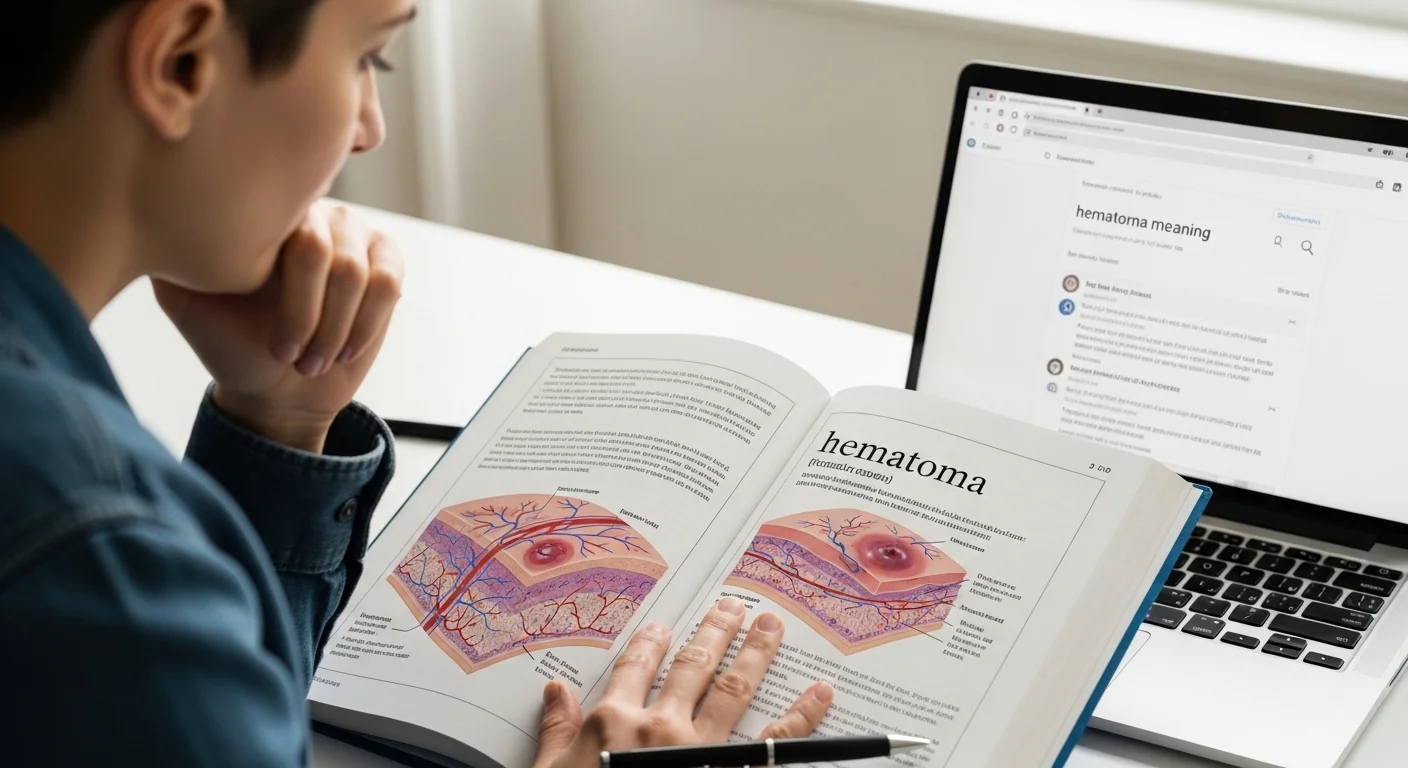

Hematoma vs Bruise
A hematoma and a bruise are both caused by bleeding under the skin, but they differ in severity and appearance.
Hematoma
A hematoma occurs when blood collects outside a damaged blood vessel and pools in one area.
Characteristics include:
Larger blood collection
Swelling or lump formation
Greater pain and pressure
May affect deeper tissues or organs
Bruise
A bruise (contusion) occurs when small blood vessels break and blood spreads beneath the skin.
Characteristics include:
Flat discoloration
Less swelling
Usually mild pain
Commonly heals on its own
Key Difference
A hematoma is generally larger and involves a more concentrated collection of blood, while a bruise is typically a smaller, more superficial injury.
Hematoma Treatment
Treatment depends on the size, location, and severity of the hematoma.
Common Treatments
Resting the affected area
Applying ice packs
Compression if appropriate
Elevating the injured body part
Pain management as advised by a healthcare provider
Medical Treatment
Large or complicated hematomas may require:
Medical evaluation
Drainage procedures
Surgical intervention in rare cases
Monitoring for complications
Anyone with severe pain, rapid swelling, or a head injury should seek prompt medical attention.
Hematoma Pictures
Hematoma pictures typically show:
Swollen areas beneath the skin
Dark red, purple, blue, or black discoloration
Raised lumps or localized swelling
Changes in color during healing
The appearance varies depending on:
Size
Location
Age of the injury
Depth of bleeding
Because images alone cannot determine severity, a healthcare professional should evaluate concerning injuries.
Hematoma Causes
A hematoma develops when blood vessels are damaged and blood leaks into surrounding tissues.
Common causes include:
Trauma or Injury
Falls
Sports injuries
Vehicle accidents
Direct impacts
Medical Procedures
Surgery
Injections
Blood draws
Medications
Blood-thinning medications
Certain anticoagulants
Medical Conditions
Bleeding disorders
Blood clotting problems
Fragile blood vessels
The risk may increase in older adults and people taking medications that affect clotting.
Is Hematoma Dangerous?
Many hematomas are minor and heal without serious complications.
However, some hematomas can be dangerous depending on:
Size
Location
Pressure on nearby structures
Internal bleeding
Particularly serious locations include:
Brain
Abdomen
Chest
Deep muscles
Warning Signs
Seek immediate medical care if a hematoma is associated with:
Severe pain
Rapid swelling
Difficulty breathing
Neurological symptoms
Loss of consciousness
Head trauma
The level of danger depends on the specific circumstances.
Hematoma Lump
A hematoma lump forms when blood pools beneath the skin or within tissues.
Characteristics may include:
A raised area
Tenderness
Firm or soft texture
Skin discoloration
Swelling
Some lumps gradually shrink as the body reabsorbs the trapped blood.
Larger hematoma lumps may persist for weeks or months before fully resolving.
Hematoma Symptoms
Symptoms vary based on the location and severity of the hematoma.
Common Symptoms
Swelling
Pain
Tenderness
Skin discoloration
Warmth in the affected area
Visible lump
More Serious Symptoms
Depending on location, symptoms may include:
Headaches
Dizziness
Weakness
Vision changes
Difficulty moving a limb
These symptoms may indicate a deeper or more serious hematoma requiring medical evaluation.
Can a Hematoma Kill You?
Most hematomas are not life-threatening.
However, certain hematomas can become extremely serious if they involve major organs or critical areas of the body.
Examples include:
Brain hematomas
Internal organ bleeding
Large untreated internal hematomas
Potential complications may include:
Increased pressure on organs
Significant blood loss
Neurological damage
Medical emergencies
A hematoma associated with severe injury, worsening symptoms, or neurological changes requires immediate medical attention.
Conclusion
A hematoma is a collection of blood outside damaged blood vessels that can occur after injury, surgery, or other trauma. While many hematomas heal naturally, larger or deeper hematomas may require medical treatment. Understanding the causes, symptoms, treatment options, and potential risks can help individuals recognize when professional medical care may be necessary. If severe pain, rapid swelling, or signs of internal bleeding occur, prompt medical evaluation is essential.

What Does “Hematoma Meaning” Mean in Language or Medical Use?
Clear Definition
Hematoma meaning:
A hematoma is a collection of blood that leaks outside blood vessels and pools under the skin or inside the body, usually caused by injury, trauma, or broken blood vessels.
In simple words, a hematoma is trapped blood, not flowing normally.
It often looks like a swollen bruise
It may feel tender or painful
It can occur under the skin, in muscles, or inside organs
Different Types of Hematomas
Hematomas vary depending on where they occur:
Subcutaneous hematoma – under the skin (most common)
Muscle hematoma – inside muscles after impact
Scalp hematoma – swelling on the head
Subdural hematoma – bleeding inside the skull
Abdominal or internal hematoma – internal bleeding
Brief Origin of the Word
Derived from Greek “haima”, meaning blood
The suffix “-oma” means mass or swelling
Together, hematoma literally means “a mass of blood”
Key takeaway: A hematoma is not the same as bleeding externally—the blood is trapped inside the body.

How People Use “Hematoma Meaning” in Real Conversations
Common Contexts
Doctor or hospital visits
After injuries, falls, or accidents
Sports discussions
Medical reports or test results
Post-surgery recovery
Appropriate vs. Awkward Usage
Appropriate usage:
“The doctor said it’s just a small hematoma.”
“I got a hematoma after falling off my bike.”
“The scan showed a minor hematoma.”
Awkward or incorrect usage:
Using hematoma to mean any bruise
Using it jokingly without understanding severity
Confusing it with infections or tumors
Insight: Hematoma is a medical term, not casual slang, and should be used accurately.
Real-Life Examples of “Hematoma Meaning” in Everyday Situations
Example 1:
Text: “The doctor said the swelling is a hematoma, not a fracture.”
Explanation: Blood pooled under the skin due to injury.
Example 2:
Text: “I hit my head, and now I have a small hematoma.”
Explanation: Scalp hematoma caused by trauma.
Example 3:
Text: “Athletes often get muscle hematomas after hard impacts.”
Explanation: Internal muscle bleeding from sports injuries.
Example 4:
Text: “The bruise looks bad, but it’s just a hematoma.”
Explanation: Reassuring statement distinguishing it from serious injury.
Example 5:
Text: “They monitored the hematoma to make sure it didn’t grow.”
Explanation: Medical observation for safety.
Key insight: Hematoma is commonly used in medical explanations, not casual chatting.
Common Mistakes & Misunderstandings
Thinking a Hematoma Is the Same as a Bruise
Bruise: Minor blood leakage, usually harmless
Hematoma: Larger blood collection, may need monitoring
Assuming All Hematomas Are Dangerous
Many hematomas are harmless and heal on their own
Some internal hematomas require medical attention
Confusing Hematoma with Blood Clots
A hematoma is pooled blood outside vessels
A blood clot forms inside vessels
Ignoring Symptoms
Increasing pain, size, or numbness should not be ignored
Head hematomas especially need monitoring
Mispronunciation
Common error: “hee-ma-to-ma”
Correct pronunciation: /ˌhiː.məˈtoʊ.mə/
Related Slangs & Abbreviation
Bruise (contusion): Mild blood leakage
Edema: Swelling caused by fluid, not blood
Hemorrhage: Active bleeding
Clot: Thickened blood inside vessels
Inflammation: Body’s immune response
Internal linking idea:
Connect this article with “bruise vs hematoma,” “internal bleeding meaning,” or “edema meaning.”