
What Does “Selah Meaning in the Bible” Mean in chat or Text?
Clear Definition
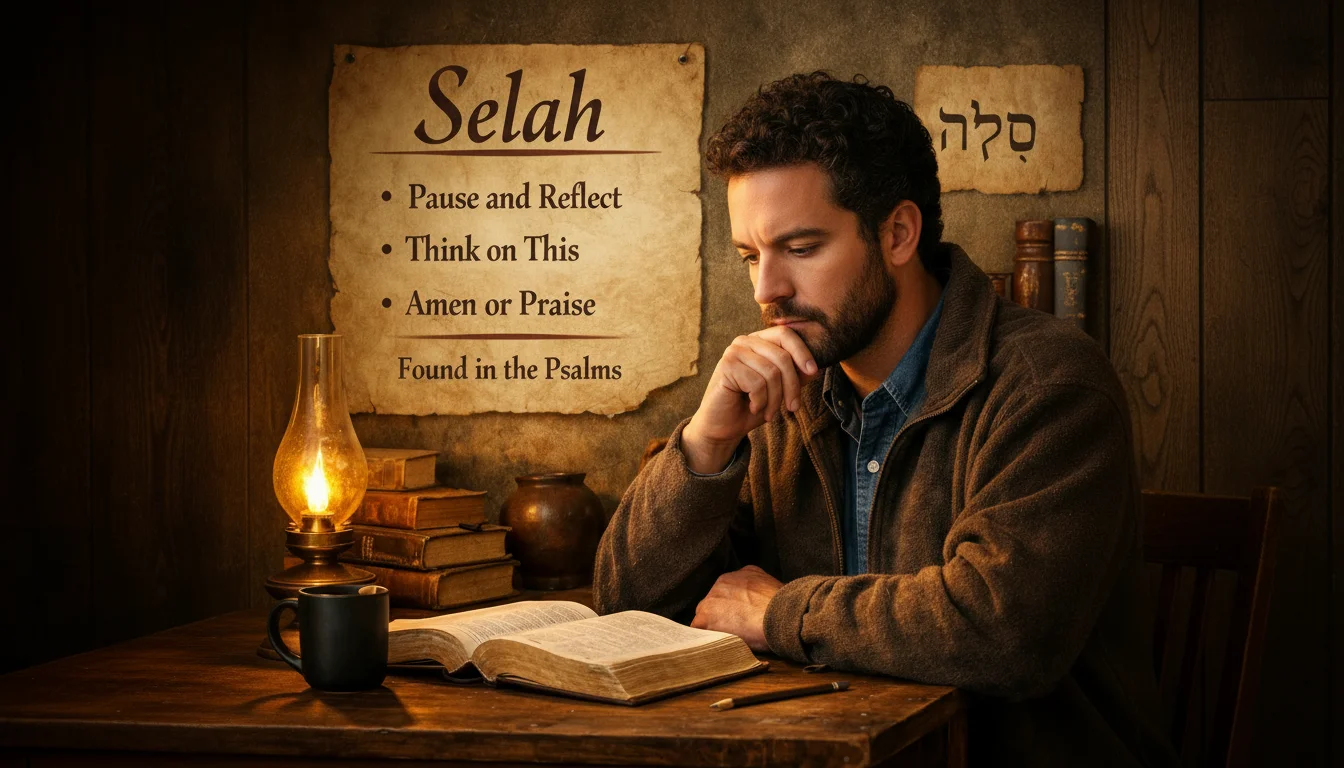
- Selah (סֶלָה) is a Hebrew word appearing mainly in the Psalms and Habakkuk.
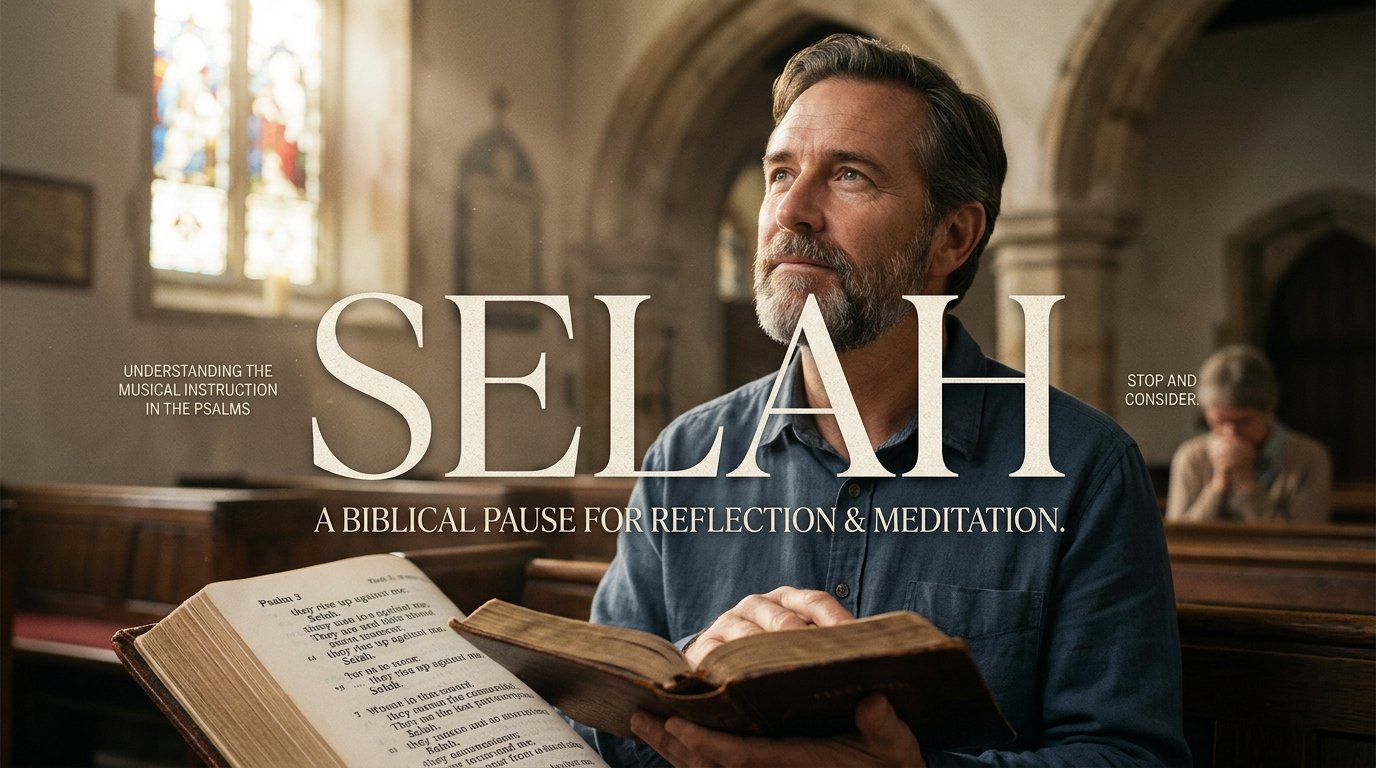
- It generally signals a pause, reflection, or musical interlude.
- Its purpose is to give readers or listeners a moment to meditate on the verse.
Different Meanings Based on Context
Depending on where it appears, Selah may serve several purposes:
- Pause and Reflect: Encourages meditation on the verse.
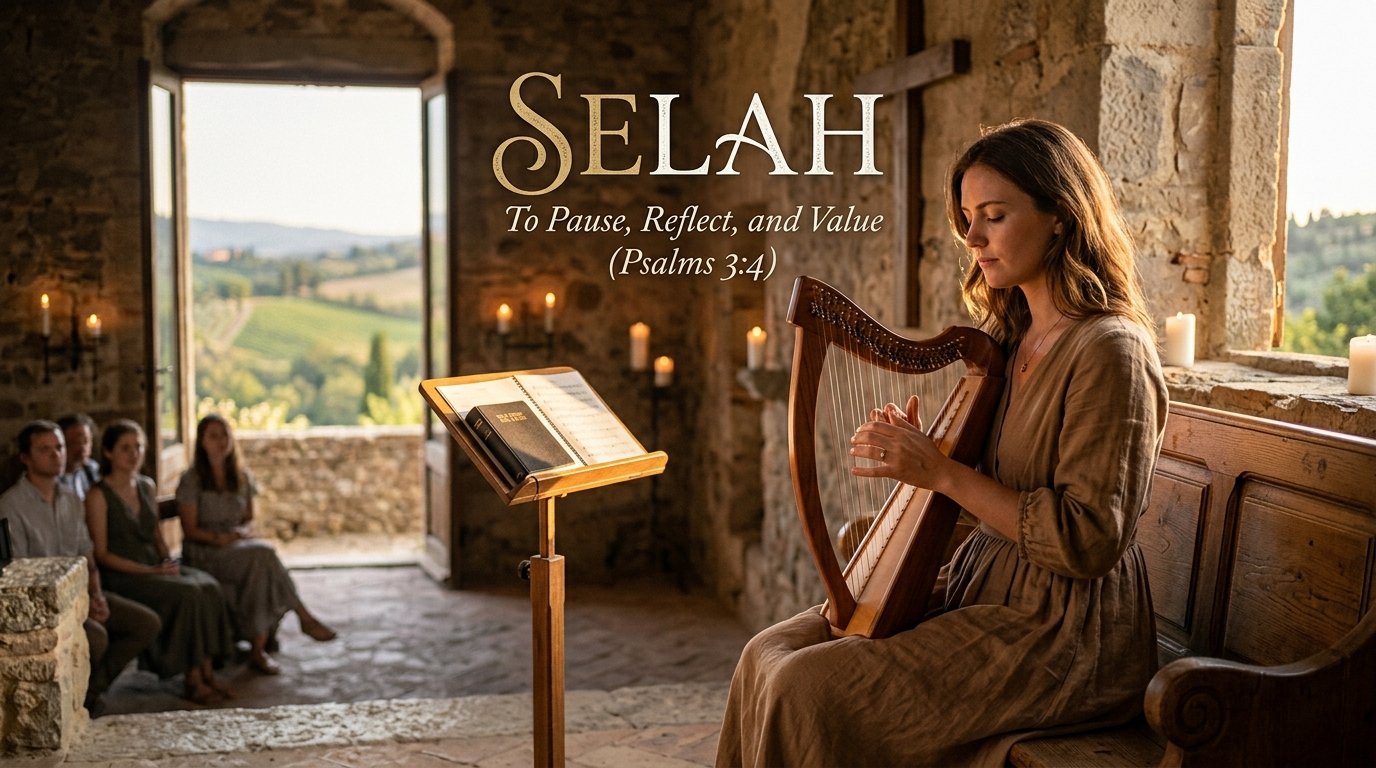
- Musical Instruction: Likely a signal to musicians for a pause or change in melody.
- Emphasis: Highlights an important truth or statement.
Brief Origin / History
- Selah is a Hebrew term of uncertain origin.
- Found over 70 times in Psalms and 3 times in Habakkuk.
- Early scholars debated whether it was musical, liturgical, or poetic.
- Modern translations often leave it untranslated but note it in footnotes.
Think of Selah as a literary and spiritual cue, like a breath in poetry or a pause in music.

How People Use “Selah Meaning in the bible” in Real Conversations
Selah acts as a signal to pause, reflect, or meditate. While the exact meaning is uncertain, the context shows its purpose clearly.
Platforms:
- Bible Reading / Study:
Verse: “Be still, and know that I am God. Selah.” (Psalm 46:10)
Encourages pause and meditation on God’s sovereignty. - Church Worship / Singing Psalms:
Likely indicated a musical interlude or pause during temple worship. - Meditation / Prayer:
Guides personal reflection on Scripture and spiritual truths. - Discussion or Teaching:
Teachers or pastors may pause at Selah to emphasize an important point in sermons.
When It’s Appropriate vs Awkward
Appropriate:
- Pausing to meditate during Bible reading
- Reflecting on meaningful verses
- Singing or reciting Psalms in worship
- Highlighting God’s promises or power
Awkward:
- Treating Selah as part of the narrative
- Reading it as an English word with no context
- Skipping reflection and missing the spiritual cue
Real-Life Examples of “Selah Meaning in the Bible” in Text Messages
Example 1:
Friend: “I’ve been feeling so stressed lately.”
You: “Take a deep breath and read Psalm 46:10… Selah.”
Explanation: Encouraging reflection and meditation on God’s sovereignty.
Example 2:
Friend: “I’m worried about my exam tomorrow.”
You: “Remember Psalm 3:3… Selah. God protects you.”
Explanation: Using Selah as a reminder to pause and trust God.
Example 3:
Friend: “Life feels so unfair sometimes.”
You: “Check Habakkuk 3:3… Selah. Think about His plan.”
Explanation: Directing them to pause and reflect on God’s bigger picture.
Example 4:
Group Chat: “Everyone panicking about work deadlines!”
You: “Psalm 57:2… Selah. Stay calm and trust God’s purpose.”
Explanation: Using Selah to emphasize meditation and emotional control.
Example 5:
Friend: “I don’t know how to handle this situation.”
You: “Be still and read Psalm 46:10… Selah.”
Explanation: Encouraging pause, reflection, and spiritual grounding.
Common Mistakes & Misunderstandings About Selah
Thinking Selah is a Prayer or Hymn
Some assume Selah is a prayer or song. It’s not—it’s a cue for reflection, meditation, or musical instruction.
Assuming Selah is Part of the Narrative
Selah is often misunderstood as part of the story. In reality, it’s a literary and spiritual marker, not part of the storyline.
Believing Selah Has a Single Meaning
Selah can indicate pause, reflection, or musical instruction, depending on context. There’s no single, fixed translation.
Ignoring Selah While Reading
Skipping Selah may cause you to miss the intended moment of reflection or emphasis in the verse. Always pause and meditate.
Misusing Selah in Modern Conversation
Using Selah incorrectly in casual talk can confuse people. Its purpose is spiritual reflection, not casual chat.
Related Slangs & Abbreviations
Similar Biblical or Spiritual Terms
- Hallelujah – “Praise the Lord”; often paired with Selah in Psalms.
- Amen – Agreement or affirmation; signals completion of a thought or prayer.
- Shofar / Musical Cues – Instruments used in worship; Selah may indicate an instrumental pause.
Short Explanations
- Hallelujah: Celebratory praise reinforcing reflection.
- Amen: Confirms agreement after meditation.
- Shofar / Musical Cues: Provides a physical pause for emphasis.
Internal Linking Opportunities
- “Psalm Meaning in the Bible”
- “Hallelujah Meaning in the Bible”
- “Amen Meaning in Scripture”