
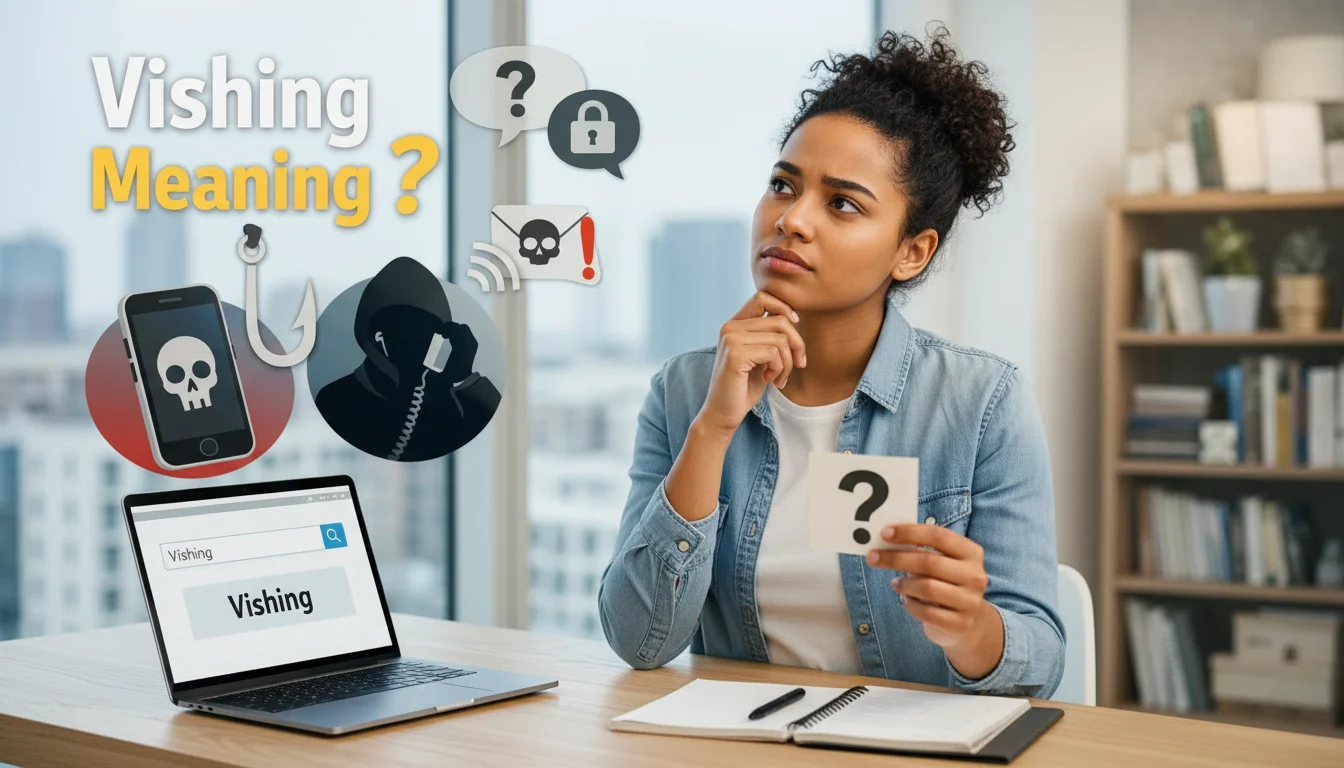
What Does “Vishing Meaning” Mean in Chat or Text?
Clear definition
Vishing is a type of scam where criminals use voice calls to trick people into revealing sensitive information such as bank details, passwords, or personal data.
The word vishing combines:
- “Voice”
- “Phishing” (online scam technique)
So, vishing literally means voice phishing.
Different meanings based on context
- Banking scams: Fake calls pretending to be from your bank
- Government scams: Callers claiming to be tax officials or law enforcement
- Tech support scams: Fraudsters posing as computer support agents
- OTP/Verification scams: Asking for one-time passwords over phone calls
In every case, the goal is the same: steal information or money.
Brief origin/history
The term vishing became popular in the early 2000s as cybercrime evolved. While phishing started with emails, scammers soon realized that phone calls feel more urgent and trustworthy.
With caller ID spoofing and AI voice tools, vishing attacks have become more sophisticated in 2026.
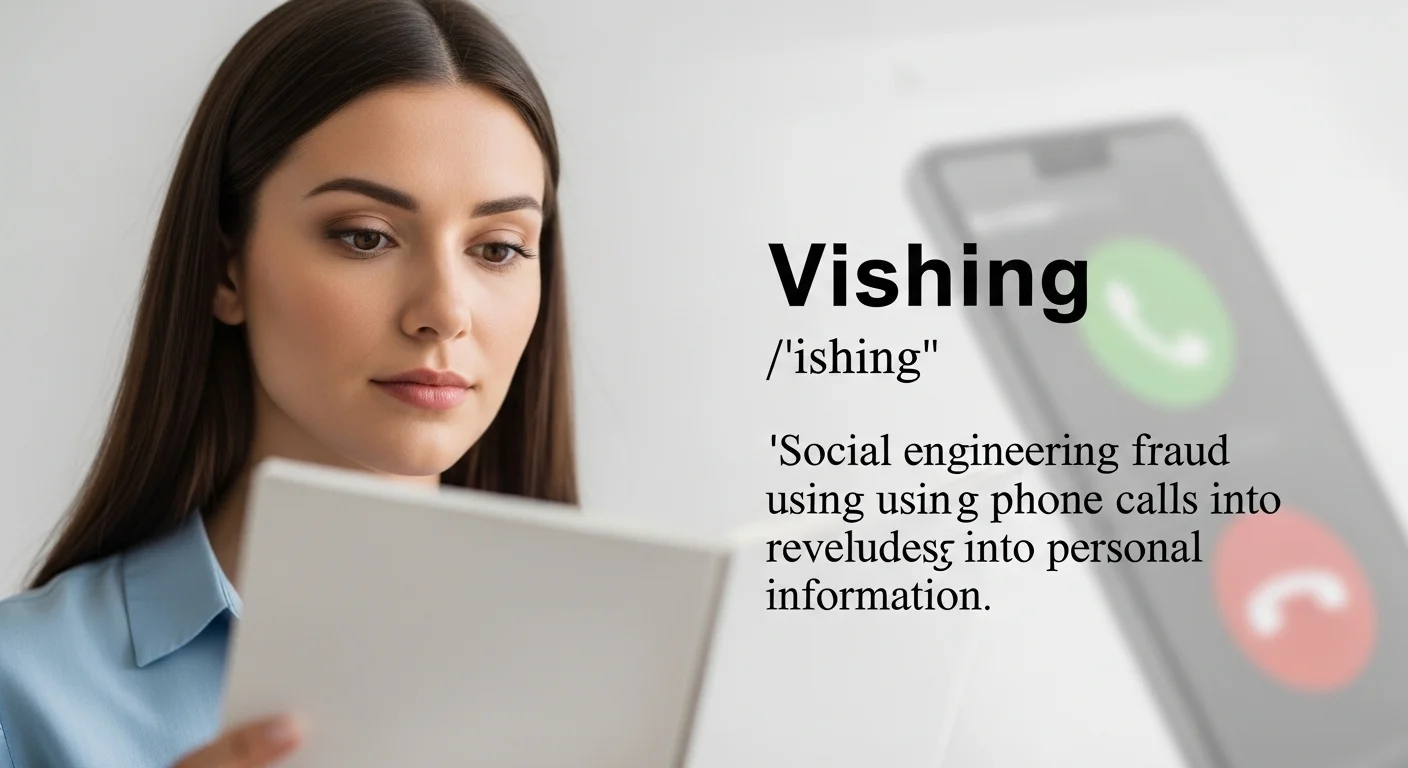
How People Use “Vishing Meaning” in Real Conversations
Understanding Vishing Meaning helps in online safety discussions, workplace training, and cybersecurity awareness.
Platforms
- Phone Calls: Primary method of vishing
- VoIP Apps: Internet-based calls
- WhatsApp/Telegram Calls: Scam calls pretending to be official
- Bank Fraud Alerts: Discussed in financial security chats
- Cybersecurity Forums: Awareness discussions
Appropriate vs. Awkward Usage
Appropriate:
- “Be careful, that call sounded like vishing.”
- “Our company is conducting vishing awareness training.”
- “Never share OTPs—it’s probably a vishing attempt.”
Awkward or incorrect:
- Calling normal marketing calls “vishing” without fraud involved
- Confusing vishing with smishing (SMS scams)
- Using the term without understanding it involves voice-based fraud
Casual explanation with personal-style insight
Think of vishing like this:
“It’s when a scammer calls you pretending to be someone important and pressures you to share private information.”
If a caller creates urgency, fear, or offers rewards—it’s often a red flag.
Real-Life Examples of “Vishing Meaning” in Text Messages
Here are realistic examples showing how people use the term, plus clear explanations.
Example 1:
Text: “I got a call saying my bank account was blocked. Total vishing scam.”
Meaning: The caller pretended to be from a bank to steal details.
Example 2:
Text: “Never share OTPs on calls—vishing is common now.”
Meaning: Warning against phone scams asking for one-time passwords.
Example 3:
Text: “My dad received a fake tax call. Classic vishing.”
Meaning: A scammer pretended to be a government official.
Example 4:
Text: “Unknown number asking for card info = vishing.”
Meaning: Red flag for a phone-based fraud attempt.
These examples show that vishing meaning in text is closely tied to scam awareness.
Common Mistakes & Misunderstandings
Many people misunderstand vishing, which makes scams more effective.
Thinking vishing only targets older people
Anyone can be targeted—students, professionals, and even tech-savvy users.
Believing real phone numbers mean safety
Scammers often spoof numbers to look legitimate.
Confusing vishing with phishing
Phishing → emails or messages
Vishing → phone calls or voice messages
Trusting urgency
Scammers create panic (“account blocked,” “legal action”) to force quick decisions.
Understanding these mistakes helps reduce risk.
Related Slangs & Abbreviations
These scam-related terms often appear with vishing and are ideal for internal linking.
Related terms
Phishing – Scam through emails or messages
Smishing – Scam through SMS texts
Spoofing – Faking caller ID or email address
OTP Scam – Stealing one-time passwords
Social Engineering – Manipulating people psychologically
Knowing these terms strengthens your understanding of online fraud.