
SIEM Tools
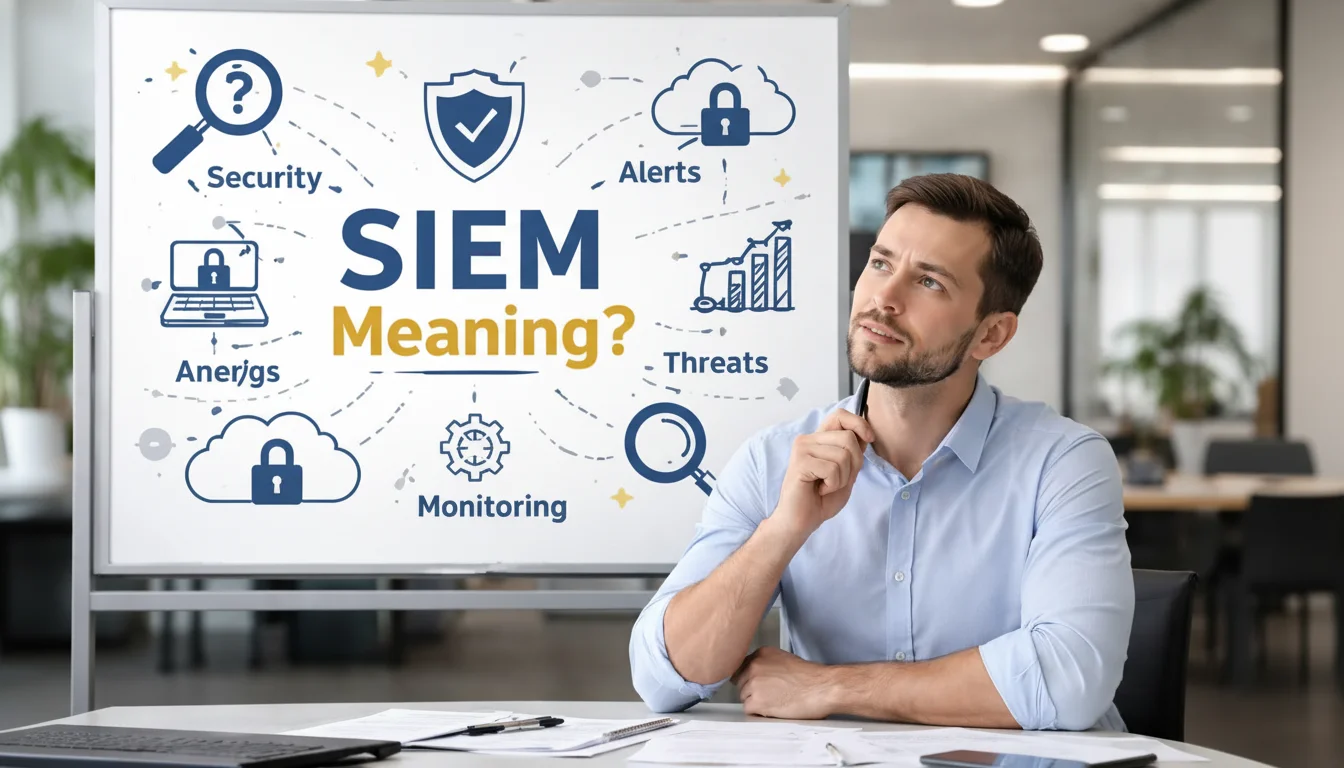
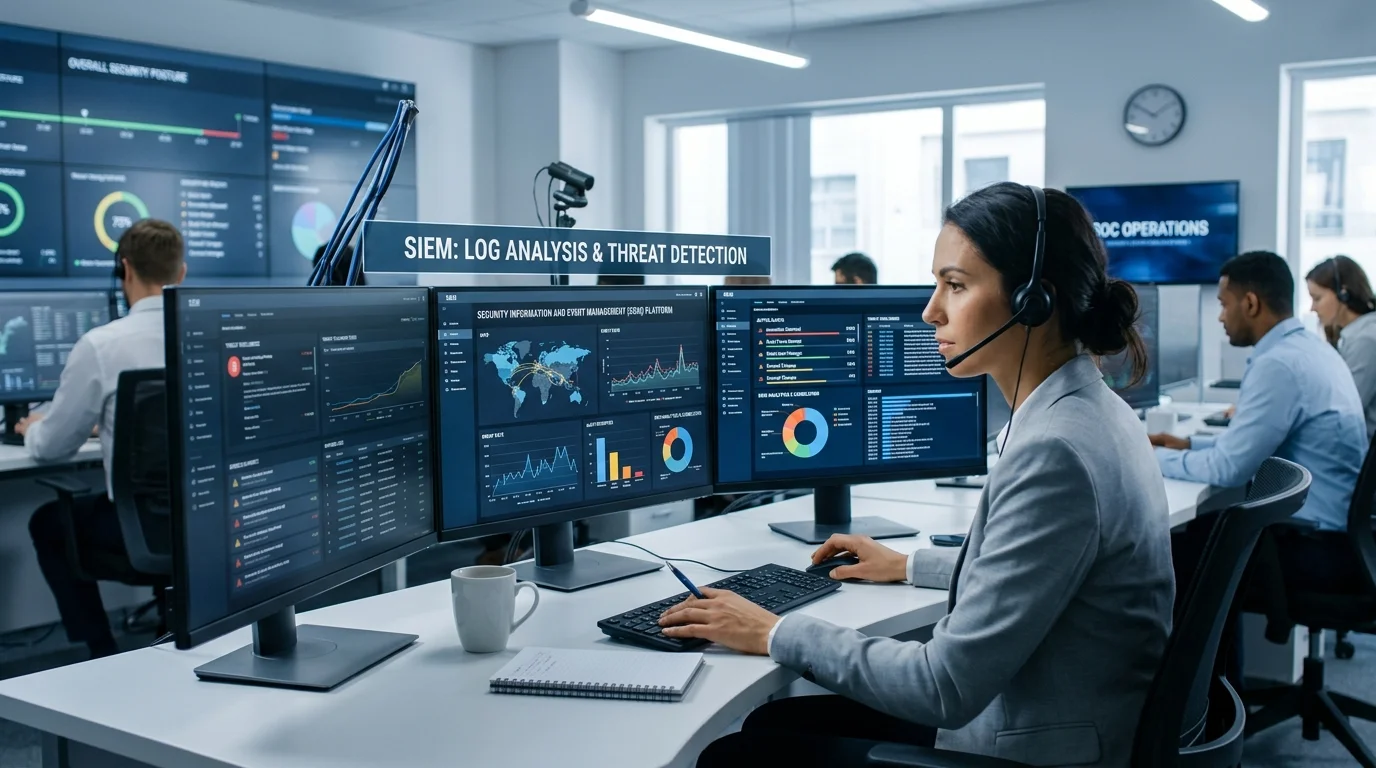
SIEM tools are cybersecurity platforms that collect, analyze, and monitor security data from multiple sources across an organization’s network. These tools help security teams detect threats, investigate incidents, and respond to cyberattacks in real time.
A SIEM tool gathers logs and events from:
Servers
Firewalls
Applications
Cloud services
Endpoints
Network devices
The platform then analyzes this information to identify suspicious activities, security breaches, and potential vulnerabilities.
Common benefits of SIEM tools include:
Centralized security monitoring
Real-time threat detection
Compliance reporting
Incident investigation
Automated alerting
SIEM solutions have become essential components of modern cybersecurity strategies.
SIEM Meaning in Cyber Security
In cybersecurity, SIEM stands for Security Information and Event Management.
SIEM is a technology that combines:
Security Information Management (SIM) – collecting and storing log data.
Security Event Management (SEM) – monitoring and analyzing security events in real time.
By combining these capabilities, SIEM platforms provide a comprehensive view of an organization’s security posture.
Security teams use SIEM systems to:
Monitor network activity
Detect cyber threats
Investigate suspicious behavior
Meet regulatory compliance requirements
Improve incident response
Today, SIEM is considered one of the most important technologies in security operations centers (SOCs).
What Is SIEM and How It Works?
SIEM works by collecting security-related data from various systems and analyzing it to identify potential threats.
Step 1: Data Collection
The SIEM platform gathers logs from:
Operating systems
Firewalls
Applications
Cloud platforms
Security devices
Step 2: Data Normalization
The collected data is standardized into a consistent format so it can be analyzed efficiently.
Step 3: Correlation and Analysis
SIEM uses rules, analytics, and threat intelligence to identify suspicious patterns.
For example:
Multiple failed login attempts
Unusual user behavior
Malware activity
Unauthorized access attempts
Step 4: Alert Generation
When suspicious activity is detected, the SIEM system generates alerts for security analysts.
Step 5: Investigation and Response
Security teams investigate alerts and take action to contain or eliminate threats.
This process enables organizations to detect attacks much faster than manual monitoring methods.
SIEM Examples
Many organizations use SIEM solutions to strengthen cybersecurity defenses.
Examples of SIEM use cases include:
Unauthorized Login Detection
A SIEM system detects hundreds of failed login attempts from a foreign IP address and alerts the security team.
Insider Threat Monitoring
The platform identifies an employee accessing sensitive data outside normal working hours.
Malware Detection
SIEM correlates unusual network activity with antivirus logs to identify malware infections.
Compliance Auditing
Organizations use SIEM reports to demonstrate compliance with regulations such as GDPR, HIPAA, and PCI DSS.
These examples show how SIEM helps organizations proactively identify and respond to security threats.
What Does SIEM Stand For?
SIEM stands for:
Security Information and Event Management
The term combines two cybersecurity disciplines:
Security Information Management (SIM)
Security Event Management (SEM)
Together, they create a centralized platform for collecting, analyzing, monitoring, and responding to security events across an organization’s IT environment.
Splunk SIEM
Splunk is one of the most recognized companies in the SIEM industry.
Its flagship solution, Splunk Enterprise Security, provides advanced capabilities such as:
Real-time threat detection
Security analytics
Incident investigation
Threat hunting
Risk-based alerting
Organizations of all sizes use Splunk SIEM to monitor large volumes of security data and improve their cybersecurity operations.
Splunk is especially popular among enterprises that require powerful data analytics and scalable security monitoring.
SIEM Pronunciation
The acronym SIEM is commonly pronounced as:
Most cybersecurity professionals pronounce it simply as “SIM.”
Although the acronym contains four letters, it is typically spoken as a single word rather than letter by letter.
SIEM Products
Several vendors offer SIEM products designed for different organizational needs.
Popular SIEM products include:
Splunk Enterprise Security
When selecting a SIEM product, organizations typically evaluate:
Scalability
Threat detection capabilities
Integration options
Reporting features
Compliance support
Cost and deployment requirements
Summary
SIEM, which stands for Security Information and Event Management, is a critical cybersecurity technology used to collect, analyze, and monitor security events across an organization. SIEM tools help security teams detect threats, investigate incidents, maintain compliance, and respond to attacks more effectively. With solutions such as Splunk, QRadar, Microsoft Sentinel, and other leading SIEM products, organizations can strengthen their defenses against evolving cyber threats.

What Does “SIEM Meaning” Mean in Chat or Text?
Clear Definition
SIEM is mostly used as a casual greeting or acknowledgment in text and chat. It often functions like:
- “Hello”
- “Hey”
- “Hi there”
In some contexts, especially in online forums or social media, siem is simply a playful or stylized way to greet someone, similar to typing “hi” or “hey” with added personality.
Different Meanings Based on Context
While SIEM is primarily a greeting, it can also vary slightly depending on where it’s used:
- Casual Texts / Messaging:
- Friend: “Siem!”
- Meaning: A simple “Hi” or friendly hello
- Social Media Comments:
- On Instagram or TikTok: “Siem everyone!”
- Meaning: Informal greeting to followers or friends
- Gaming / Discord:
- Used to say hello in a fun or relaxed way at the start of a chat
So, context determines whether it’s just a greeting or a playful introduction.
Brief Origin / History of SIEM in Online Chats
The origin of siem as a chat term comes from stylized greetings often used in casual texting, memes, and social media. It doesn’t have a long historical background like ASL or SN, but it has become popular among younger audiences who enjoy typing playful variations of everyday words.
The trend started as part of internet slang in forums, Discord servers, and gaming communities, where users often add letters or change spellings for fun or emphasis.

How People Use “SIEM Meaning” in Real Conversations
Platforms:
- Texting:
- Friend: “Siem! How’s your day?”
- Simple friendly greeting
- Instagram / TikTok:
- Commenting on posts: “Siem everyone!”
- A casual way to greet followers
- Discord / Gaming Servers:
- “Siem all! Ready for the game?”
- Friendly greeting before starting conversation
- Forums / Reddit:
- Used as a fun or casual way to say hello in threads
When It’s Appropriate vs Awkward
Appropriate:
- Chatting with friends
- Social media comments
- Gaming or casual group chats
Awkward:
- Professional or workplace messaging
- Formal emails or academic discussions
Casual Explanation with Personal-Style Insights
In modern texting culture, siem is just a playful “hi.” It’s less common than “hey” or “hi,” but adds a fun, casual tone to a message. People often use it when:
- Starting a conversation casually
- Greeting a group in chat or gaming servers
- Adding personality to a short message
It’s friendly, informal, and mostly used among peers.
Real-Life Examples of “SIEM Meaning” in Text Messages
Example 1:
Friend: “Siem! What’s up?”
Explanation: Simple hello with friendly tone.
Example 2:
On Instagram: “Siem everyone! Loving this post.”
Explanation: Informal greeting to followers.
Example 3:
Discord: “Siem team! Ready for the match?”
Explanation: Friendly hello before starting a game.
Example 4:
Friend: “Siem! Didn’t see you online yesterday.”
Explanation: Greeting with casual, playful tone.
Example 5:
Group Chat: “Siem all! Anyone up for movie night?”
Explanation: Friendly way to greet everyone and start a conversation.
Common Mistakes & Misunderstandings
Confusing SIEM with Cybersecurity Terms
Many people see “SIEM” and think of Security Information and Event Management used in IT and cybersecurity. In chat slang, SIEM has nothing to do with technology—it’s just a casual greeting.
Using SIEM in Formal or Professional Settings
Typing “Siem!” in a work email or professional chat can seem unprofessional or confusing. It’s best reserved for casual conversations with friends or online communities.
Misinterpreting the Tone
Because SIEM is short and informal, some people might read it as sarcastic or dismissive if they’re not familiar with it. Always consider your audience and tone when using it.
Assuming Everyone Knows the Meaning
Not everyone, especially non-native English speakers or older audiences, will understand “SIEM” as a greeting. Using it without context can lead to confusion.
Overusing SIEM in Messages
Using SIEM repeatedly in a single conversation or group chat can feel repetitive or annoying. Like any slang, it’s best used sparingly for greetings or playful messages.
Related Slangs & Abbreviations
Similar Chat Terms
- Hey / Hi / Yo – Common greetings
- Sup – Short for “What’s up?”
- Si – Another playful variation of “hi” in some communities
Short Explanations
- These are casual greetings commonly used online.
- Use depending on audience, platform, and tone.
Internal Linking Opportunities
If you’re building a chat slang website, you could link:
- YO Meaning in Text
- Sup Meaning in Text
- Hey Meaning in Chat