
What Does “Bleak Meaning” Mean in Chat or Text?
Clear Definition
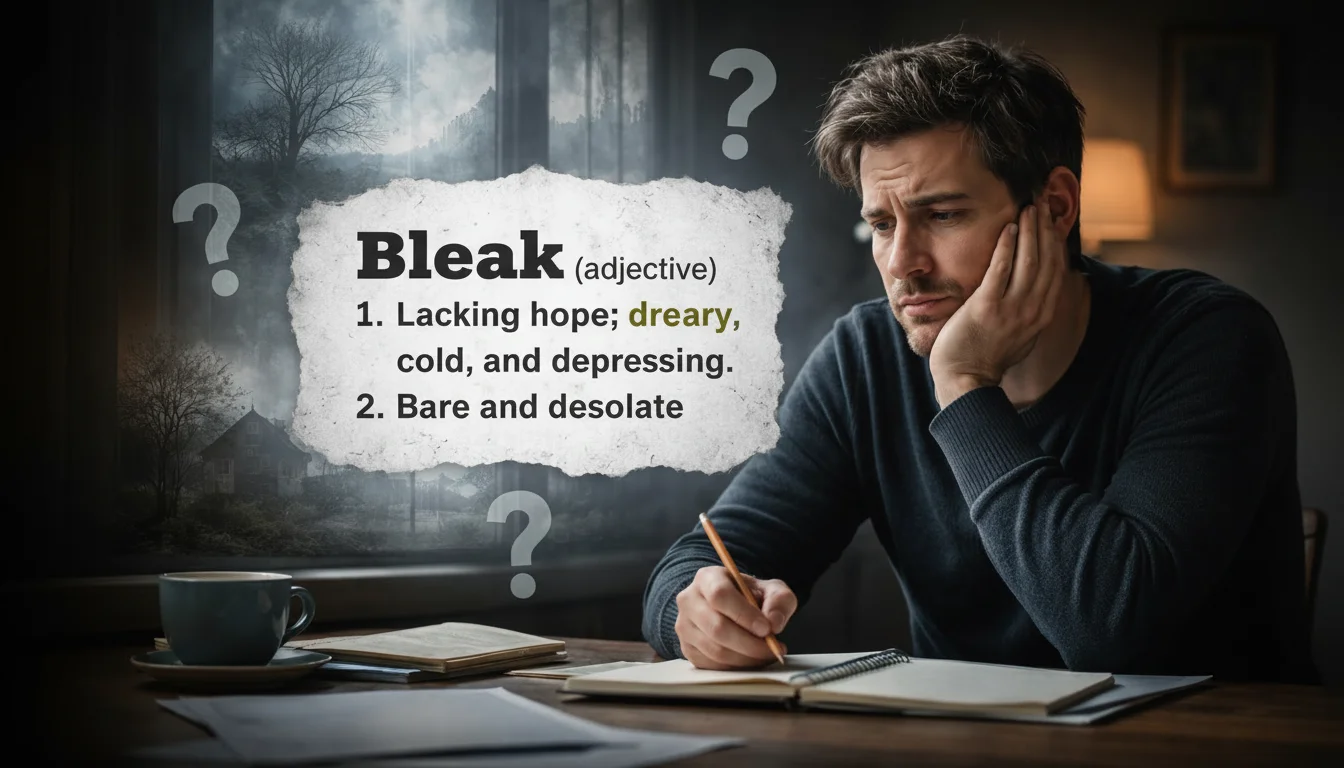
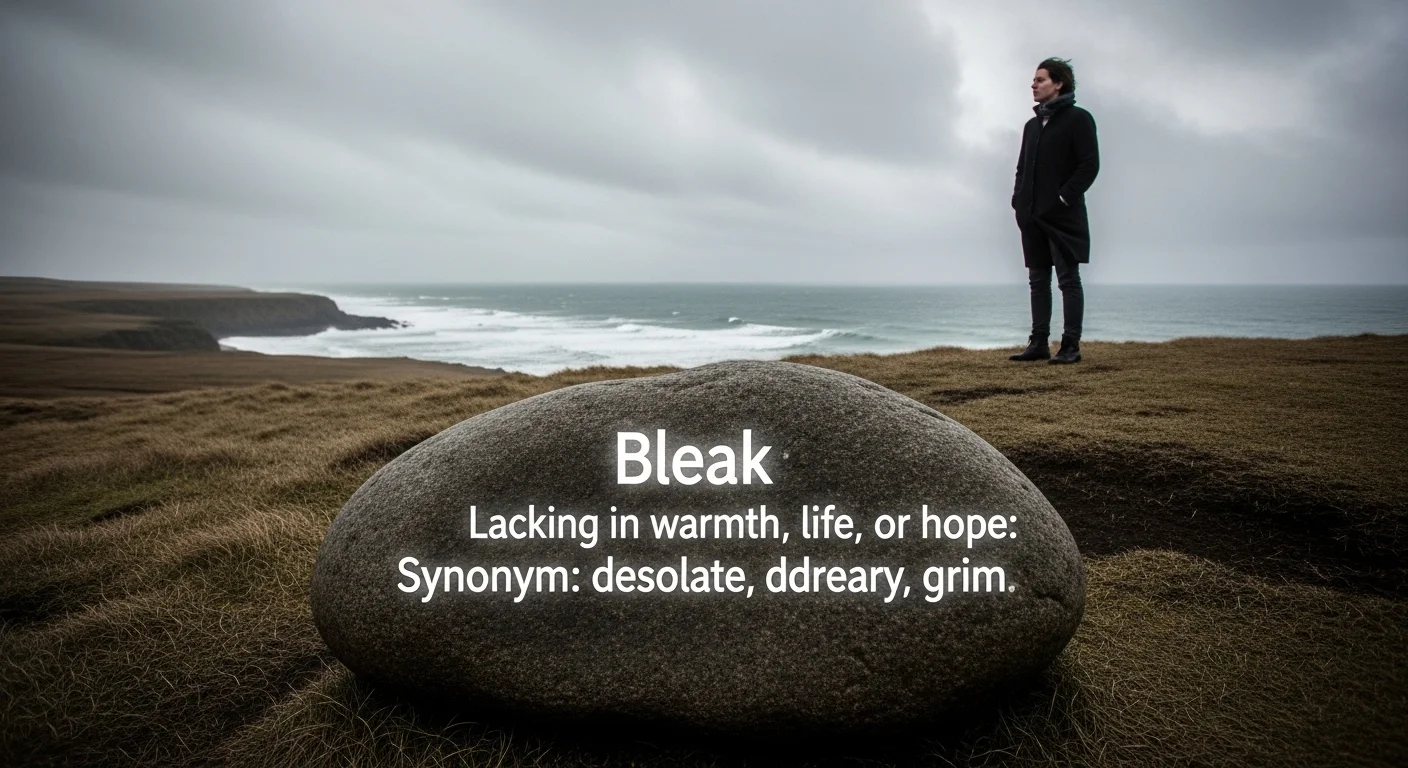
Bleak refers to something cold, dreary, depressing, or without hope. It describes situations, places, or moods that feel harsh, empty, or discouraging. Bleak can be used literally, to describe a landscape or weather, or figuratively, to describe emotions, outcomes, or prospects.
Different Meanings Based on Context
- Weather / Landscape Context:
Describes a cold, barren, or desolate environment.
Example: “The bleak winter landscape stretched for miles.” - Emotional / Personal Context:
Refers to feelings of hopelessness, sadness, or discouragement.
Example: “After hearing the news, he felt a bleak sense of despair.” - Future / Outlook Context:
Describes a situation or prospect that seems grim or unpromising.
Example: “The company’s financial outlook looks bleak.” - Literary / Artistic Context:
Used to convey dark, harsh, or stark imagery in writing, films, or art.
Example: “The novel paints a bleak picture of society.”
Brief History
The word bleak comes from Old English blāc, meaning pale, shining, or white. Over time, its meaning shifted to cold, barren, and desolate landscapes or moods. Today, in 2026, the term is widely used in literature, news, social media, and everyday speech to describe grim situations, harsh environments, or negative emotions.
How People Use “Bleak Meaning” in Real Conversations
Platforms:
- Texting / WhatsApp / Messenger:
Friend: “The forecast looks bleak for our weekend plans.”
Used to describe disappointing or discouraging situations. - Instagram / TikTok:
Caption: “Feeling bleak after finishing that exam.”
Used to share moods or emotions with followers. - Workplace / Professional Setting:
“The project’s progress looks bleak.”
Used to describe challenges or poor prospects. - Literary / Media Discussions:
“The film’s setting is bleak but beautifully shot.”
Used when analyzing art, writing, or storytelling. - Casual / Social Usage:
“It’s a bleak day outside — nothing to do.”
Used to describe weather, feelings, or boring situations.
When It’s Appropriate vs Awkward
- Appropriate:
- Describing weather, moods, or negative situations
- Discussing art, literature, or media with dark or serious tones
- Talking about challenges or grim prospects
- Awkward:
- Using it lightly to describe trivial or fun events
- Confusing it with cold physically rather than emotionally or atmospherically
- Overusing it in casual, upbeat conversations
Casual Explanation with Personal-Style Insights
Think of bleak as a word for harsh, gloomy, or discouraging situations. Whether it’s the weather, a mood, or a challenging situation, bleak communicates a sense of emptiness or hopelessness.
In social media or chats, saying “feeling bleak” can be a dramatic way to express boredom, sadness, or frustration, while in writing, it adds depth and stark imagery.
Real-Life Examples of “Bleak Meaning” in Text Messages
Example 1:
“The job market looks bleak right now.”
Explanation: Opportunities seem limited and discouraging.
Example 2:
“After the accident, his future felt bleak.”
Explanation: He felt hopeless about what comes next.
Example 3:
“The movie shows a bleak world with no hope.”
Explanation: The setting is dark and depressing.
Example 4:
“She stared out at the bleak winter sky.”
Explanation: The environment feels cold and lifeless.
Example 5:
“Things seemed bleak, but they didn’t give up.”
Explanation: The situation was bad, but hope still existed.
Common Mistakes & Misunderstandings
Thinking Bleak Means Angry
Bleak is about hopelessness, not anger.
Confusing Bleak With Sad
Sad can be temporary.
Bleak suggests long-term negativity.
Overusing the Word
Using bleak too often can make writing sound overly negative.
Using It in Light Situations
Saying something small is bleak can sound dramatic or confusing.
Related Words & Similar Meanings
If you understand the bleak meaning, these related words often appear nearby:
Hopeless – No expectation of improvement
Grim – Serious and depressing
Desolate – Empty or abandoned
Dark – Emotionally negative
Dismal – Very poor or disappointing
These are strong internal linking opportunities for meaning-based content.